
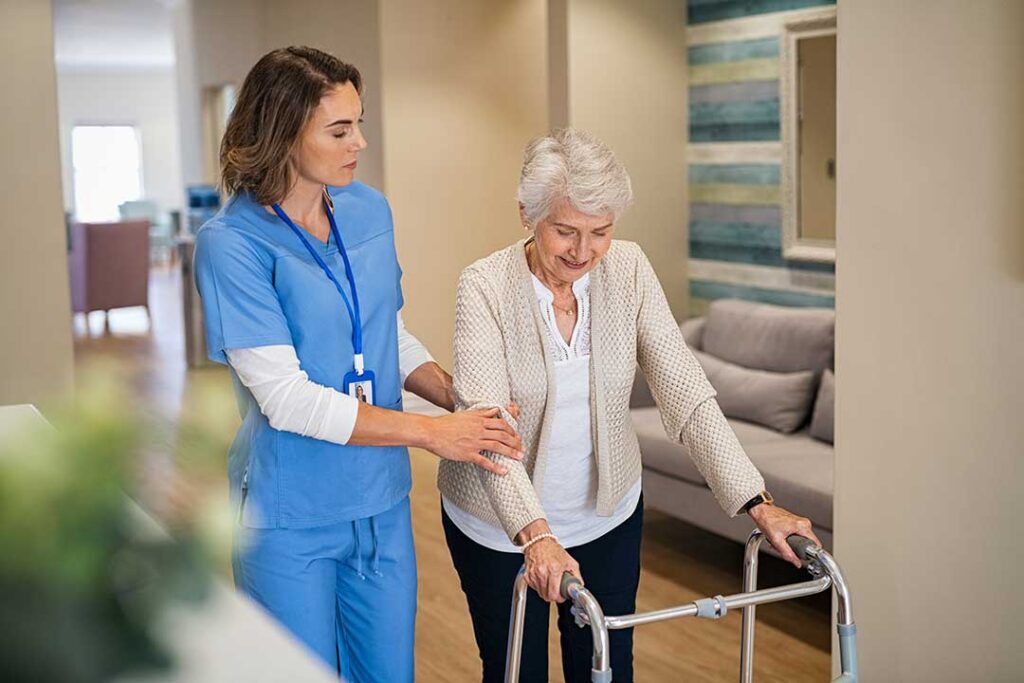
What Are the Foundations of Healthy Aging for Assisted Living Residents?
Healthy aging involves supporting mental, physical, and emotional well-being, especially for those living in assisted environments. For residents in Kittanning, PA, healthy aging focuses on optimizing routines, encouraging safe activity, and making choices suited to local conditions and seasonal changes.
Community life offers structured support, but daily choices by residents and staff play a large role in overall wellness. Healthy aging is not about perfection, but rather consistent habits that help older adults balance independence with support.
How Can Diet and Nutrition Support Healthy Aging?
Balanced, nourishing meals are essential for energy, immunity, and quality of life. Residents often wonder which foods to prioritize and how local resources affect their options.
Eating well means:
- Focusing on a varied diet with fruits, vegetables, whole grains, lean proteins, and dairy or alternatives.
- Adjusting meal sizes and timing based on appetite changes or medication schedules.
- Making gradual adjustments—for example, increasing fiber to support digestion, or reducing sodium to manage blood pressure, which is especially relevant during humid Pennsylvania summers.
A common misconception is that nutritional needs decrease with age; in reality, older adults may need more protein and certain vitamins (like D and B12) for muscle and bone health. Residents with dietary restrictions can often find suitable options by communicating clearly with community dining staff and staying informed about menu ingredients.
What Physical Activities Are Safe and Beneficial in Assisted Living Settings?
Safe physical activity offers significant benefits for strength, balance, and mood. Many residents ask about the types of exercise they can safely enjoy inside the community and how to adapt routines to the region’s cold winters or rainy springs.
Popular, accessible activities include:
- Chair yoga, gentle stretching, or guided group movement in shared living spaces
- Indoor walking routines, especially useful during colder months
- Light strength exercises using resistance bands or small hand weights
Brief sessions spread throughout the week often feel less overwhelming and are more sustainable. It’s important to listen to your body and avoid pushing through pain. Residents who feel unsure about trying new exercises should ask staff about supervised classes or movement tips, especially after changes in health.
How Can Mental and Social Health Be Maintained?
Staying connected and engaged supports cognitive health and reduces feelings of loneliness. In assisted living, residents may wonder how to maintain friendships and find meaningful activities without overwhelming themselves.
Social and mental health can be nurtured by:
- Taking part in regular group activities, like discussion groups, crafts, or card games
- Engaging in life review activities, such as sharing stories or creating memory books
- Limiting passive time alone (such as lengthy TV watching), but balancing it with restful solitude
Seasonal shifts in the area, such as reduced daylight in winter, can lead some residents to feel less engaged or energetic. Recognizing these patterns and gently reaching out to community circles helps counteract isolation.
Are There Unique Health Considerations for Residents in Kittanning’s Climate?
Pennsylvania’s climate—cold winters, warm summers, and variable humidity—affects daily life for local assisted living residents. Direct questions often center around how to avoid seasonal health problems.
Key strategies include:
- Dressing in light layers to adjust between heated indoor and cooler outdoor air
- Drinking enough fluids, especially during winter and hot spells, when dehydration is easy to overlook
- Using humidifiers (if available and safe) to reduce dry air symptoms, such as irritated throat or skin in the colder months

Monitor for seasonal allergies, common in the area’s spring pollen surge. Residents should feel comfortable reporting sudden changes, such as unusual fatigue, coughing, or skin issues, to staff so support can be adjusted.
How Can Residents Maximize Independence and Safety?
Remaining as independent as possible is a common goal, but safety should never be compromised. Local residents may have specific questions about mastering everyday tasks or using mobility aids without added risk.
Helpful practices include:
- Organizing personal items in easy-to-reach places and clearly marking important directions or instructions
- Using adaptive equipment, such as reachers or non-slip mats, especially in bathrooms or during icy weather
- Reporting any tripping hazards or maintenance issues, since Pennsylvania winters may lead to tracked-in moisture or slippery floors
Residents often overestimate their ability to adjust quickly after a fall or sudden illness. Taking minor mishaps seriously and asking for needed support—rather than testing limits—reduces injury risk and preserves long-term autonomy.
Can Creative or Spiritual Activities Support Well-Being?
Many assisted living residents find meaning in creative or spiritual pursuits, yet sometimes underestimate small activities’ impact on well-being.
Useful ideas:
- Attending music, art, or reading sessions, even as a quiet observer
- Partaking in shared mealtimes with conversation, rather than dining alone out of habit
- Reflecting, meditating, or praying in a quiet space if helpful for peace of mind
It’s a misconception that wellness activities must always be group-based or physically active. Listening to personal needs and exploring quiet pastimes is equally valuable for healthy aging.
