

How Can Residents Make Holidays Feel Special in Assisted Living?
Holidays in assisted living can feel different from past traditions, but there are many ways to keep them meaningful. Residents can enjoy familiar customs, try out new activities, and connect with others to maintain a sense of celebration.
Bringing personal decorations or cherished items from home is a simple way to create a festive atmosphere. Handmade crafts, pictures, or cards often help transform a room and spark conversations with neighbors. Many residents appreciate listening to favorite holiday music or watching classic films, either alone or in small groups.
What Types of Holiday Activities Are Typically Available?
Most assisted living communities design holiday activities that support both physical and emotional well-being. These events and projects are tailored to many ability levels, so nearly every resident can take part.
Typical offerings include:
- Group craft workshops for ornaments, wreaths, or greeting cards
- Singalongs or musical performances featuring carols and holiday tunes
- Themed movie showings or story reading sessions
- Special meals with seasonal foods, sometimes featuring local dishes or resident favorites
- Light walks or small indoor parades, especially during colder months
Residents often find it rewarding to contribute ideas for new activities or to help organize events, even in small ways. This can build a sense of belonging and increase enjoyment.
Can Families and Friends Still Participate in Holiday Traditions?
Yes, families and friends are encouraged to celebrate with residents, though certain guidelines or visiting hours may apply. It’s wise to plan visits or call ahead during major holidays since schedules may change or larger group events may be planned.
Creative options for family involvement:
- Sharing a favorite holiday recipe and cooking together if kitchen space is available
- Hosting a virtual gathering using video calls for those who cannot visit in person
- Sending handwritten letters, handmade gifts, or photos to decorate resident spaces
- Collaboratively reading holiday stories or playing games during visits
Those who are unable to visit can still help create connection by scheduling phone calls or sending video messages.
How Do Holiday Celebrations Accommodate Different Beliefs and Backgrounds?
Most assisted living communities in the area recognize the value of inclusive celebrations. Program staff usually offer events and activities that reflect a range of holidays, such as Christmas, Hanukkah, Kwanzaa, New Year’s, and others as requested by residents.
Support for individual observances may include:
- Quiet spaces for personal reflection or prayer during holidays
- The opportunity for residents to share their traditions or explain their customs to others
- Access to local religious services by arrangement, with some events streamed for those who cannot leave the building
Residents who have specific customs or dietary needs can often work with staff to ensure their practices are respected throughout the season.
What Should Residents Know About Safety and Comfort During Holiday Activities?
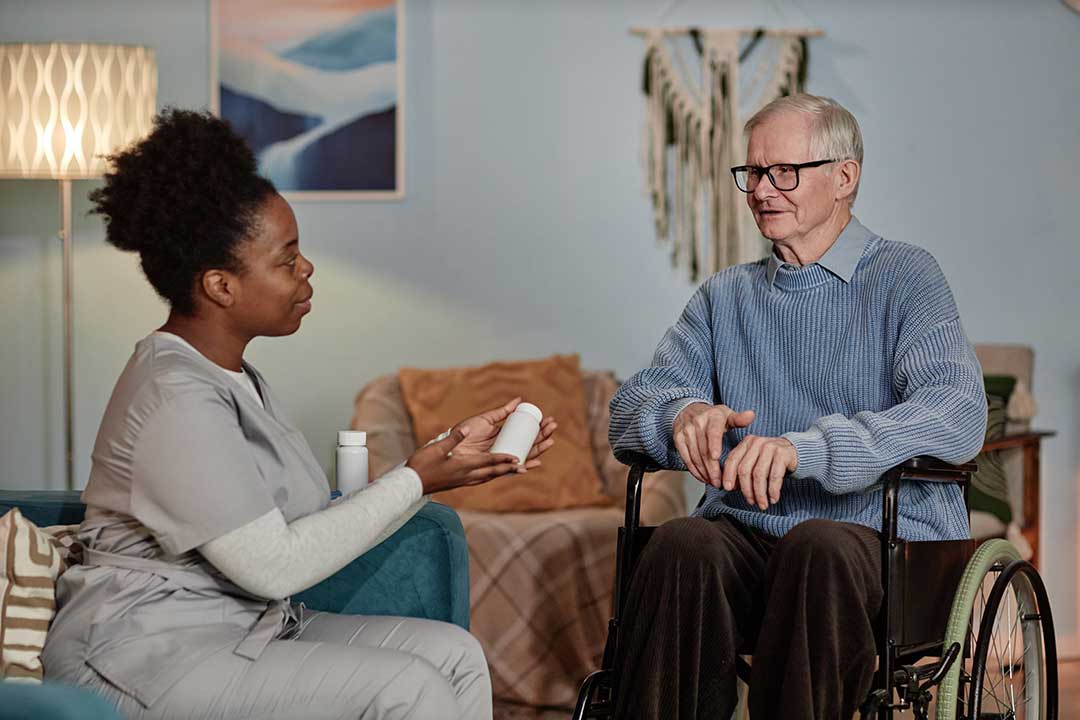
Safety and comfort are important for enjoyable celebrations, especially during winter when the weather can be unpredictable in the region. Community staff typically review all activities for accessibility and mobility concerns.
Key considerations include:
- Choosing decorations and craft supplies that are nonflammable and easy to manage
- Making sure walkways and communal areas remain unobstructed and safe for everyone to use
- Planning indoor events during colder weeks to avoid slips or exposure to low temperatures
- Encouraging everyone to wear layers or bring blankets if moving between indoor and outdoor activities
Residents are welcome to let staff know about any specific comfort needs or activity preferences so adjustments can be made if possible.
How Can Residents Take Part if Mobility or Health Concerns Limit Participation?
Mobility or health challenges do not have to keep someone from enjoying holiday spirit. Many programs offer adaptations so all residents can participate to the extent they wish.
Examples include:
- Delivering crafting materials to rooms for personal projects
- Arranging smaller group activities or one-on-one visits from volunteers
- Providing recorded music, messages, or video greetings for private enjoyment
- Offering special menus for residents with dietary restrictions
Connections with others, even if brief or virtual, can make a significant difference during festive times.
Are There Local Customs or Climate Factors That Influence Holiday Celebrations?
Residents in the area often adapt traditions to suit local winter weather and community culture. For example, outdoor activities like caroling or lighting displays may be moved indoors when snow, ice, or cold temperatures make travel difficult. Central heating is standard, but many still bring lap blankets or warm drinks during group gatherings for comfort.
Because many have deep roots in the community, there’s an appreciation for time-honored traditions, from favorite hometown dishes to locally relevant decor. Residents sometimes share stories from previous years, building connections and drawing on collective memories for a richer holiday experience.
