
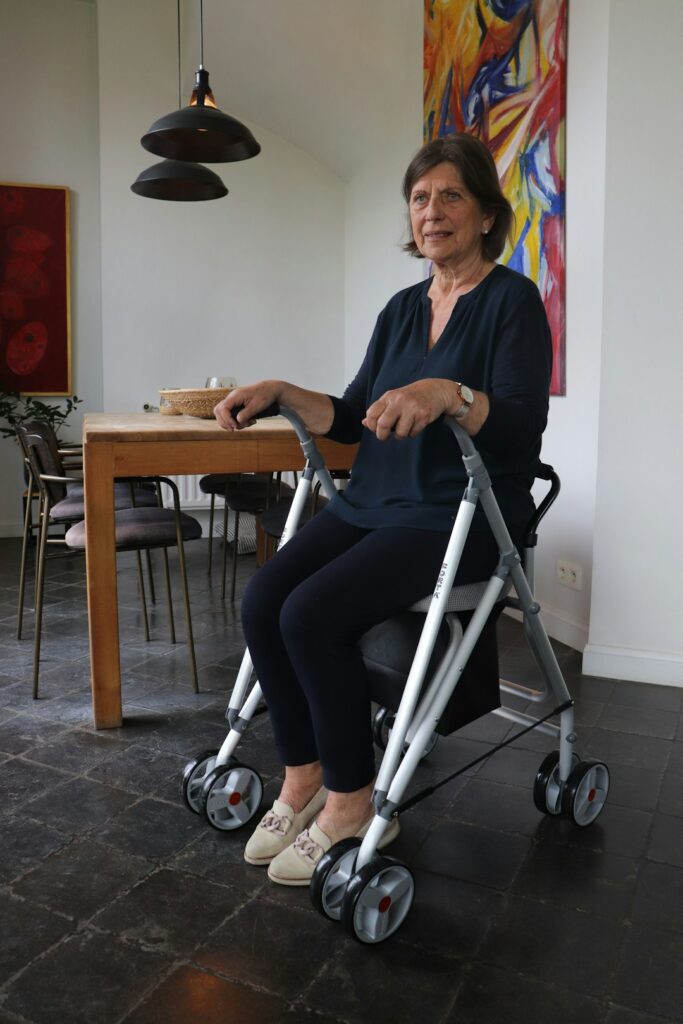
Assisted living can support senior mobility by making movement part of everyday life rather than treating it as a separate task. Safe walking routes, help with daily activities, exercise opportunities, and prompt attention to changes in strength or balance can help residents remain active and independent.
Mobility means more than walking without assistance. It also includes standing from a chair, getting in and out of bed, using the bathroom safely, dressing, reaching for items, and moving between rooms. Preserving these abilities can support confidence, social connection, and quality of life.
How does assisted living help older adults stay mobile?
Assisted living supports mobility through a combination of routine, supervision, environmental design, and individualized assistance. The goal is usually to provide enough help for safety while allowing residents to do as much as they can on their own.
A resident may receive support with:
- Walking to meals or activities
- Using a cane, walker, or wheelchair correctly
- Getting up from a chair or bed
- Moving safely through hallways and doorways
- Bathing, dressing, and other activities that require balance
- Using stairs, ramps, or elevators
- Arranging transportation for appointments or community activities
This type of assistance can reduce the tendency to remain in bed or sit for most of the day. It also gives staff opportunities to notice changes, such as slower walking, increased fatigue, or a new fear of falling.
What kinds of activities promote mobility?
Regular activity helps maintain leg strength, balance, coordination, and endurance. Assisted living communities may offer group activities, walking opportunities, stretching, seated exercise, or movement incorporated into recreational programs.
Useful activities often include:
- Short walks adjusted to the resident’s ability
- Sit-to-stand practice from a stable chair
- Gentle leg and arm strengthening
- Balance exercises performed with appropriate support
- Stretching to maintain flexibility
- Dancing, gardening, or other purposeful movement
- Light household tasks that encourage reaching, standing, and walking
A structured program should match a person’s health conditions and current abilities. Someone recovering from a stroke, joint replacement, fracture, or prolonged illness may need a more specific plan than someone who simply wants to remain active.
Walking alone is not always enough to reduce fall risk. Strength and balance activities are also important, especially for residents who feel unsteady or have fallen before. Any exercise that causes pain, dizziness, chest discomfort, or unusual shortness of breath should be stopped and discussed with a healthcare professional.
Why does the physical environment matter?
The design of an assisted living setting can either encourage movement or make it difficult. Clear pathways, adequate lighting, stable handrails, accessible bathrooms, and properly maintained floors help residents move more safely.
Environmental details are especially relevant in Kittanning, where seasonal weather can bring cold temperatures, snow, ice, wet surfaces, and shorter daylight hours. Even when residents spend most of their time indoors, wet footwear, tracked-in moisture, or reduced visibility near entrances can create hazards.
Helpful safety features may include:
- Well-lit hallways and common areas
- Handrails along longer walking routes
- Non-slip flooring and secured rugs
- Seating areas where residents can rest
- Bathrooms with grab bars and adequate turning space
- Bed heights that make transfers easier
- Clear signs and familiar layouts
- Safe outdoor paths for warmer-weather walking
Mobility support should not mean removing every challenge. A setting that is overly restrictive may cause a resident to become less active. The safer approach is to reduce unnecessary hazards while preserving appropriate opportunities to walk, stand, reach, and participate.
How can staff support independence without increasing fall risk?
The right amount of assistance depends on the individual. Doing everything for a resident may appear protective, but it can contribute to weakness and loss of confidence over time. Providing too little help can lead to unsafe transfers or falls.
Staff may promote independence by:
- Allowing extra time for a resident to complete a task
- Offering reminders instead of immediately taking over
- Placing commonly used items within safe reach
- Encouraging residents to walk to activities when appropriate
- Using mobility equipment according to instructions
- Providing standby assistance during higher-risk movements
- Adapting activities when energy or balance changes
A person who can walk safely with a walker may not need to be transported in a wheelchair for every activity. Likewise, a resident who is tired, ill, or dizzy may need more assistance than usual. Mobility plans should be flexible rather than based on a permanent assumption about what a person can or cannot do.
What role do physical and occupational therapists play?
Assisted living staff can support daily movement, but therapy may be needed when a resident has a significant change in function. Physical therapists commonly address walking, strength, balance, endurance, and transfers. Occupational therapists focus on daily tasks, upper-body function, equipment use, and adapting activities to the resident’s abilities.

A therapy evaluation may be appropriate after:
- A fall or repeated near-falls
- Hospitalization or illness
- A noticeable change in walking speed or posture
- Difficulty rising from a chair
- New problems using a walker or wheelchair
- Trouble bathing, dressing, or getting to the bathroom
- Pain that limits normal movement
Therapy is not only for restoring movement after an injury. It can also help identify safer ways to complete everyday tasks and determine whether a mobility aid is adjusted correctly.
Can assisted living prevent all falls?
No. Assisted living can reduce hazards and support safer movement, but it cannot eliminate every fall. Falls may result from medication effects, vision changes, low blood pressure, muscle weakness, balance disorders, illness, unsuitable footwear, or an unexpected loss of footing.
Falls should not be treated as a normal or unavoidable part of aging. A fall, near-fall, or new fear of walking deserves attention because it may signal a change in health or ability.
Fall prevention often includes:
- Reviewing medications with an appropriate healthcare provider
- Checking vision and hearing
- Wearing supportive, well-fitting footwear
- Keeping walking aids within reach
- Using prescribed glasses and mobility equipment
- Staying hydrated and eating regularly
- Reporting dizziness, weakness, or pain promptly
- Keeping personal areas free of clutter
What should families ask about mobility?
Families evaluating assisted living can ask specific questions rather than relying on general statements about activities. Useful questions include:
- How are residents encouraged to walk during the day?
- Are exercise or balance activities available?
- How are mobility needs assessed after a fall or hospitalization?
- Can residents use walkers, canes, or wheelchairs safely in common areas?
- How are outdoor walking areas handled during snow, ice, or rain?
- What happens if a resident’s ability changes?
- How are families informed about repeated falls or new mobility concerns?
- Is therapy coordinated when it is medically indicated?
Mobility is best supported through consistent daily habits. A safe environment, appropriate assistance, regular activity, and timely response to changes can help older adults maintain function while preserving dignity and choice.
