
Assisted living communities combine private living spaces with shared dining rooms, hallways, activities, transportation, and personal care. That arrangement can support connection and independence, but it also means safety depends on consistent daily routines.
For residents and families in Kittanning, PA, understanding infection prevention and general safety protocols can make it easier to recognize good practices, ask informed questions, and respond appropriately when illness or an emergency occurs.
What safety protocols should assisted living residences have?
A safe residence should have written procedures for preventing infections, responding to emergencies, reporting changes in a resident’s condition, managing medications, preventing falls, and protecting residents during severe weather or utility interruptions.
Pennsylvania assisted living residences are licensed under state requirements that address resident health, safety, training, sanitation, emergency planning, and infection control. Staff members should understand the residence’s procedures and apply them consistently rather than relying on informal habits.
Common safety systems include:
- Regular checks of fire alarms, emergency lighting, exits, and call systems
- Staff training in infection control, cleanliness, hygiene, resident safety, and emergency response
- Procedures for identifying and reporting fever, cough, vomiting, diarrhea, wounds, or sudden confusion
- Safe medication storage, administration, and documentation
- Fall-risk assessments and plans for residents who use walkers, wheelchairs, or other mobility supports
- Emergency contact information and procedures for notifying family members or designated representatives
- Plans for power outages, extreme cold, heavy snow, flooding, or transportation interruptions
Residents should be able to ask who to notify if they feel ill, how urgent concerns are handled after normal office hours, and how families are informed during an outbreak or emergency.
How does hand hygiene prevent infections?
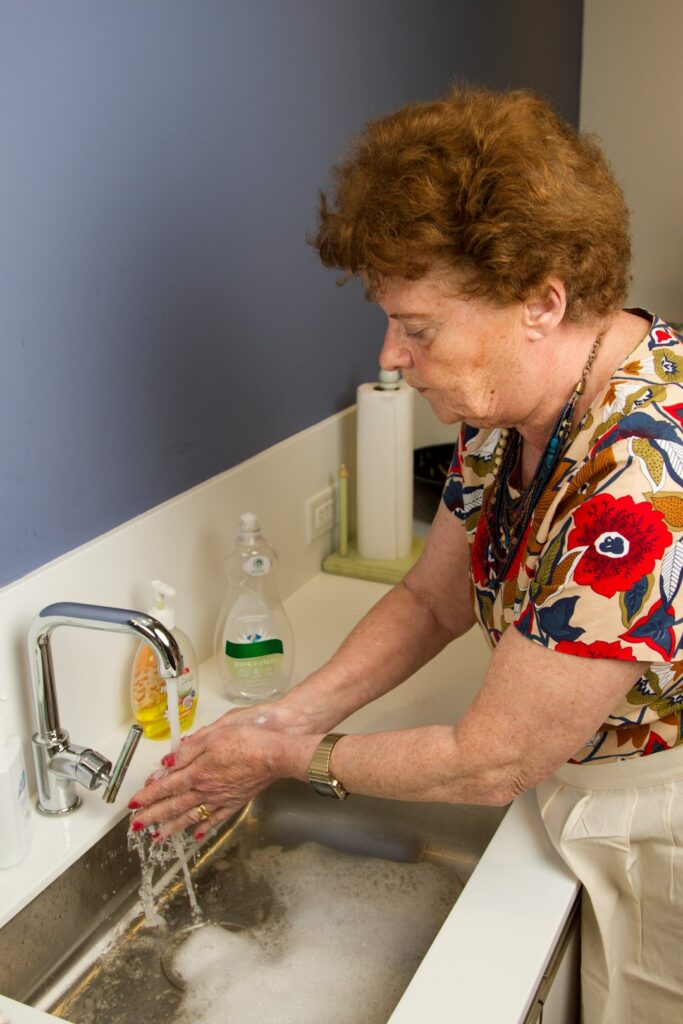
Hand hygiene is one of the most effective ways to limit the spread of germs. Staff, residents, and visitors should clean their hands before eating, after using the bathroom, after coughing or sneezing, and after contact with bodily fluids or contaminated surfaces.
Soap and water are preferred when hands are visibly dirty. Alcohol-based hand sanitizer is useful when a sink is not immediately available, provided the product contains at least 60 percent alcohol.
A well-maintained residence should make hand-cleaning supplies easy to find in bathrooms, dining areas, entrances, activity spaces, and near shared equipment. Staff should clean their hands before and after providing personal care, assisting with meals, handling medications, or touching equipment used by more than one resident.
Residents should not feel uncomfortable reminding visitors or caregivers to clean their hands. A simple request can help protect people who are older, medically vulnerable, or recovering from illness.
What should happen when a resident has respiratory symptoms?
A resident with a new cough, fever, sore throat, runny nose, unusual fatigue, or shortness of breath should be assessed promptly. Symptoms may be caused by influenza, COVID-19, respiratory syncytial virus, pneumonia, or another condition requiring medical attention.
The residence may use temporary precautions such as:
- Moving the resident away from crowded common areas
- Encouraging or requiring masking based on current risk and facility policy
- Increasing ventilation when practical
- Providing tissues and no-touch waste containers
- Limiting close contact with other residents until the situation is evaluated
- Cleaning frequently touched surfaces more often
- Testing or arranging medical evaluation when appropriate
- Monitoring for worsening symptoms
A visitor with a cough, fever, vomiting, or diarrhea should postpone a non-urgent visit until recovery. If a visit cannot be delayed, the visitor should follow the residence’s masking, hand hygiene, and screening procedures.
Residents should report symptoms early, even if they seem mild. Older adults may not always develop a high fever, and infection can sometimes appear as weakness, confusion, loss of appetite, dizziness, or a sudden decline in usual activity.
How are gastrointestinal infections prevented?
Norovirus and other gastrointestinal infections can spread quickly in shared living settings. Vomiting and diarrhea should be reported promptly so staff can begin appropriate precautions and cleaning.
Prevention includes careful handwashing with soap and water, safe food handling, cleaning contaminated surfaces with suitable disinfectants, laundering soiled linens safely, and keeping ill residents away from shared meals and activities until facility guidance allows a return.
Hand sanitizer alone may not work as well against some gastrointestinal viruses. For that reason, residents and visitors should use soap and water after using the bathroom and after caring for someone who is ill.
Food safety is also essential. Staff should monitor food temperatures, prevent cross-contamination, keep food preparation areas clean, and follow procedures for residents with special diets or swallowing concerns.
What are the most overlooked infection risks?
Some infection risks are less obvious than a person coughing in a common room. Shared blood glucose equipment, improperly cleaned medical devices, untreated wounds, urinary catheters, soiled laundry, and missed hand hygiene during personal care can all create hazards.
Assisted living staff should use resident-specific equipment when required, follow safe injection and blood-handling practices, dispose of sharps correctly, and use gloves and other protective equipment when exposure to bodily fluids is possible.
Antibiotics should be taken exactly as prescribed. They should not be saved for later, shared with another person, or stopped early unless the prescribing clinician changes the instructions. Unnecessary antibiotic use can cause side effects and contribute to drug-resistant infections.

Residents and families should also ask whether recurring infections, falls, skin problems, or medication issues are tracked and reviewed. Repeated problems may indicate that a care plan needs to be updated.
How do seasonal conditions affect safety in Kittanning?
Cold weather, snow, ice, and winter power interruptions can affect both infection prevention and physical safety. Wet entryways, icy sidewalks, heavy coats, reduced daylight, and delayed transportation can increase fall risks and make medical appointments more difficult.
A residence should have plans for:
- Keeping entrances and walkways clear and dry
- Maintaining safe indoor temperatures during heating problems
- Checking on residents during power outages or severe weather
- Storing necessary medications and supplies
- Managing transportation delays
- Reducing exposure to cold for residents with limited mobility
- Communicating changes in activities, meals, or visiting procedures
During warmer months, heat, humidity, dehydration, and insects can create additional concerns. Residents who have dementia, mobility limitations, heart disease, or respiratory conditions may need more frequent monitoring during extreme temperatures.
What should families ask about infection prevention?
Families can ask practical questions without treating every illness as a sign of poor care. Useful questions include:
- How are residents screened when they develop symptoms?
- Where can residents and visitors find hand sanitizer, soap, masks, and tissues?
- How are shared rooms, dining areas, bathrooms, and mobility equipment cleaned?
- How are families notified about outbreaks or temporary visiting changes?
- What is the process for medical evaluation when a resident suddenly declines?
- How are staff trained in infection control and emergency procedures?
- How does the residence prepare for winter storms, power loss, or transportation disruptions?
The answers should be specific. A general statement that “safety is a priority” is less informative than an explanation of who monitors symptoms, how concerns are documented, and what happens next.
When should a resident receive urgent medical attention?
Some symptoms require immediate attention rather than routine observation. These include severe trouble breathing, chest pain, fainting, new one-sided weakness, uncontrolled bleeding, severe dehydration, sudden unresponsiveness, or a rapid change in mental status.
A staff member should follow the residence’s emergency response procedure and seek emergency medical care when appropriate. Families should provide current contact information, medication details, advance directives, and healthcare decision-maker information so urgent decisions are not delayed.
Safety in assisted living is built through dependable routines: clean hands, careful observation, accurate communication, safe surroundings, timely reporting, and prepared responses to illness or emergencies. These practices protect residents while allowing daily life to remain as comfortable, social, and independent as possible.
