
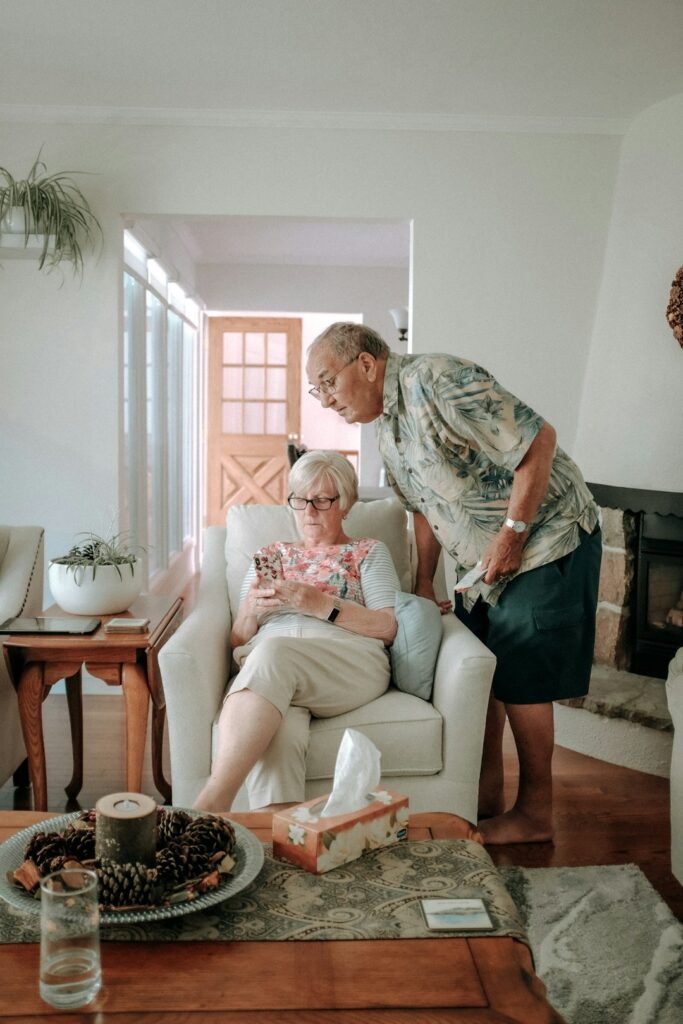
Living with dementia in assisted living requires more than help with meals, medications, and personal care. The most effective support also protects dignity, reduces confusion, preserves familiar routines, and helps the person remain involved in daily life.
For families in Kittanning, PA, understanding how dementia care works can make transitions easier and improve communication with the assisted living team. Dementia affects each person differently, so care should be based on the individual’s abilities, history, preferences, and changing needs.
What does good dementia support look like?
Good dementia support is person-centered. That means the resident is treated as an individual rather than defined by a diagnosis or a difficult behavior.
A useful care plan should describe:
- The person’s usual routines and sleep patterns
- Preferred foods, hobbies, music, and activities
- Important relationships and life experiences
- Communication style and hearing or vision needs
- Triggers for anxiety, anger, or withdrawal
- Assistance needed with bathing, dressing, eating, toileting, and mobility
- Previous falls, wandering, medication concerns, or medical conditions
This information helps staff respond consistently. A resident who becomes upset during bathing, for example, may be reacting to cold water, unfamiliar instructions, embarrassment, pain, or a rushed approach. Adjusting the setting and explaining each step may work better than simply labeling the person as uncooperative.
Families can help by sharing a written personal history and updating it as new patterns appear.
How should staff and families communicate with a person who has dementia?
Communication works best when it is calm, simple, and respectful. Speak directly to the resident, use a warm tone, and allow extra time for a response.
Helpful practices include:
- Make eye contact and use the person’s preferred name.
- Ask one question at a time.
- Offer two simple choices instead of an open-ended question.
- Use short, familiar words.
- Give directions one step at a time.
- Reduce background noise during conversations.
- Use gestures, pictures, or demonstrations when words are difficult.
- Avoid correcting every mistaken detail.
- Reassure the person rather than arguing about a belief or memory.
If a resident says, “I need to go home,” arguing that the building is now home may increase distress. A calmer response might acknowledge the feeling: “You miss home. Let’s sit together and have some tea.” Redirection is not deception; it is often a way to reduce anxiety when reasoning is no longer effective.
Hearing aids, glasses, and dentures should also be checked regularly. Poor hearing or vision can make a person seem more confused, withdrawn, or suspicious.
How can assisted living reduce confusion?
A predictable environment helps the brain manage daily tasks. Consistent meal times, bathing routines, medication schedules, and bedtime practices can make the day easier to understand.
Clear visual cues may also help. A resident’s room can be easier to identify when it has a familiar photograph, meaningful object, or simple sign. Important areas such as bathrooms should be easy to locate, well lit, and free of unnecessary clutter.
Excess noise, crowded hallways, harsh lighting, and frequent room changes may increase agitation. This can be especially challenging during busy periods, visitors’ hours, shift changes, or holiday gatherings.
Families visiting from the surrounding community may help by keeping visits calm and predictable. A short visit with one or two familiar people is often more comfortable than a large group. Familiar music, family photographs, or a favorite snack may create a stronger connection than repeated questions about recent events.
What should families know about dementia-related behavior?
Behavior changes usually communicate a need. Agitation, pacing, refusal of care, yelling, or withdrawal may be linked to pain, hunger, thirst, constipation, fatigue, loneliness, fear, infection, medication effects, or difficulty understanding what is happening.
A sudden change should not automatically be blamed on dementia. New confusion or unusual sleepiness can sometimes signal an urgent medical problem, including dehydration, infection, a medication reaction, or delirium. The care team should be informed promptly when behavior changes quickly or differs sharply from the person’s usual pattern.
A simple behavior record can reveal patterns. Note:
- What happened before the behavior
- The time of day
- Who was present
- What the person appeared to need
- What helped or made the situation worse

This approach focuses on prevention instead of punishment. Restraint, threats, arguing, or force can increase fear and may cause injury. Safety concerns should be addressed through the care plan and appropriate clinical evaluation.
How can wandering and falls be addressed?
Wandering is common in some forms of dementia and may involve searching for a person, trying to complete a familiar task, looking for a bathroom, or responding to restlessness. It is not always purposeful disobedience.
Assisted living staff and families should discuss:
- Times when wandering is most likely
- Whether the person has a history of getting lost
- Safe walking routes and supervised activity
- Door and exit safety procedures
- Identification information
- Proper footwear and mobility assistance
- What to do if the resident cannot be located
Fall prevention also requires attention to lighting, clutter, footwear, walking aids, medication side effects, dizziness, and bathroom access. In Kittanning, seasonal changes can affect routines. Snow, ice, early darkness, and cold temperatures may limit outdoor walking and increase fall risks near entrances. Safe indoor movement and supervised activity can help maintain strength without exposing residents to unsafe conditions.
How can families stay involved without taking over?
Families remain important after a move to assisted living, even when staff provide most daily care. Regular communication helps the care team notice changes and preserve continuity.
Useful questions include:
- Has the person’s appetite, sleep, mood, or mobility changed?
- What activities seem to bring comfort or interest?
- Are there new signs of pain, falls, dehydration, or isolation?
- Is the current care plan still appropriate?
- Has the person’s ability to make decisions changed?
- Are medical preferences and emergency contacts current?
Visits do not need to be long to be meaningful. Folding towels, looking through photographs, listening to music, taking a supervised walk, or sharing a familiar dessert may support connection without testing memory.
It is also helpful for families to plan ahead for medical decisions, hospital visits, changing care needs, and preferences about emergency treatment. Dementia usually progresses over time, so care plans should be reviewed rather than treated as permanent documents.
When does assisted living need to reconsider the care plan?
A review may be needed after repeated falls, weight loss, worsening nighttime confusion, increased wandering, frequent distress, medication changes, or a new need for help with basic activities.
The right level of care depends on the person’s health, mobility, behavior, medical needs, and ability to remain safe. Assisted living may be appropriate for some residents with dementia, while others eventually require more specialized or continuous care. The decision should be based on current needs, not only on the original diagnosis.
The clearest sign of effective support is not that the person never becomes confused or upset. It is that caregivers recognize distress early, respond respectfully, protect safety, and continue to see the resident as a whole person.
